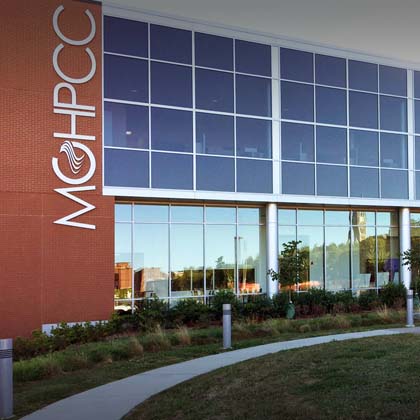
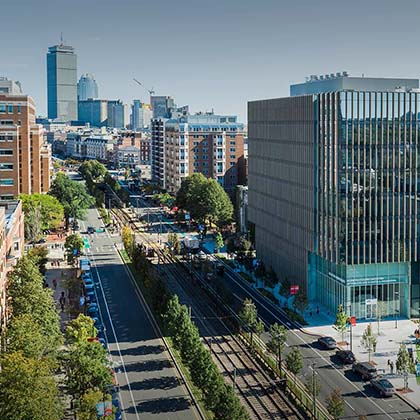
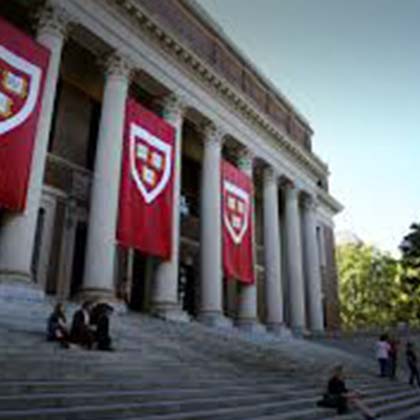
The Harvard University Faculty of Arts & Sciences Research Computing team.
Research Computing was established in 2007 as part of the Faculty of Arts & Sciences (FAS) Division of Science, with the founding principle of facilitating the advancement of complex research by providing leading edge computing services.
Learning Beyond Attention
Learning Beyond Attention
Research reveals how ignored information can subtly reshape learning in brains and AI.
Learning Beyond Attention
Research reveals how ignored information can subtly reshape learning in brains and AI.
Broad Institute researchers combine AI with laboratory evolution, yielding improved proteins, and advancing the future of protein engineering and drug development.
Smarter Protein Engineering
Broad Institute researchers combine AI with laboratory evolution, yielding improved proteins, and advancing the future of protein engineering and drug development.
Broad Institute researchers combine AI with laboratory evolution, yielding improved proteins, and advancing the future of protein engineering and drug development.
Using Harvard Research Computing resources, researchers developed JetLag, a new way to track jet streams and better understand weather and climate change.
Tracking Earth's Atmospheric Highways
Using Harvard Research Computing resources, researchers developed JetLag, a new way to track jet streams and better understand weather and climate change.
Using Harvard Research Computing resources, researchers developed JetLag, a new way to track jet streams and better understand weather and climate change.