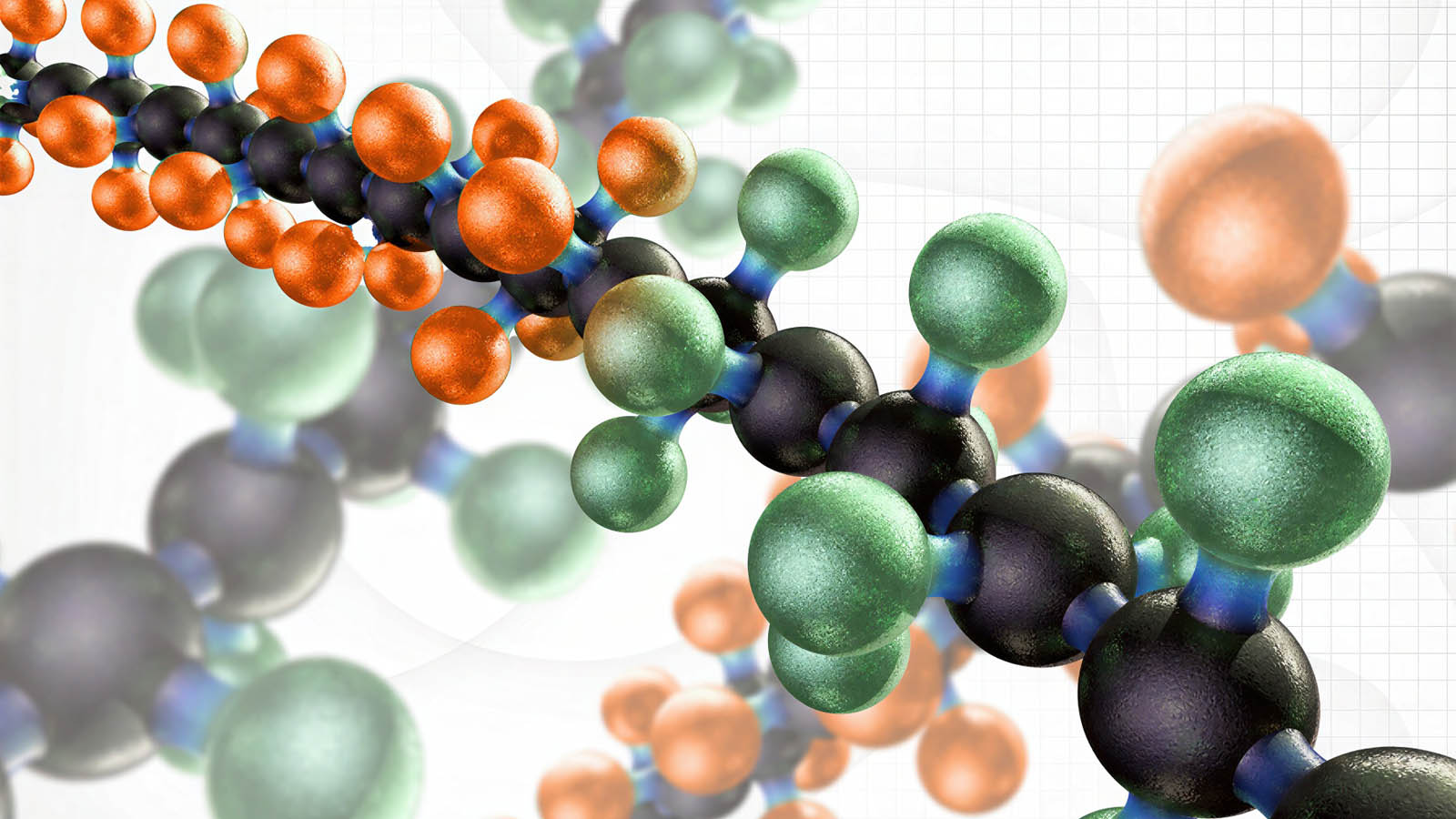
From drug-delivery systems and battery electrolytes to solar panels and protective coatings, many modern technologies depend on polymers. Rather than inventing entirely new polymers from scratch, scientists often blend existing materials to achieve desired properties. The challenge is that there are virtually endless possible combinations, and predicting which mixtures will perform best is extraordinarily difficult.
To tackle this problem, MIT researchers created a fully autonomous discovery platform that combines artificial intelligence with robotic experimentation. The system uses an optimization algorithm to explore a vast landscape of possible polymer formulations, selecting the most promising candidates for a robotic laboratory system to create and test. Results from each round of experiments are immediately fed back into the algorithm, which determines the next set of formulations to evaluate.
The researchers demonstrated that the platform could identify hundreds of polymer blends that outperformed their individual ingredients. Surprisingly, some of the most successful blends included components that would have appeared unpromising when evaluated on their own. This finding highlights the value of examining the entire design space rather than relying on conventional trial-and-error approaches.
MIT's computational infrastructure plays a central role in this work, powering the machine-learning algorithms, optimization workflows, and data analysis that guide autonomous experimentation. By dramatically reducing the time needed to find promising materials, the platform could accelerate innovation across energy, medicine, and manufacturing.